
MedAxiom Blog
Monday, January 26, 2026 | Nicole F. Knight LPN, CPC, CCS-P
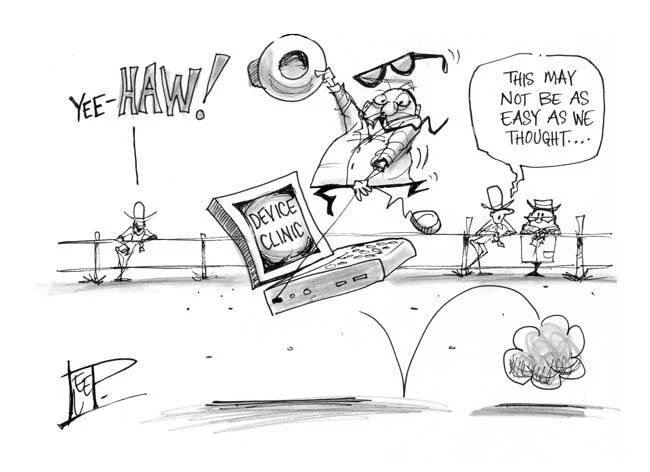
Device clinics have evolved far beyond traditional follow-up and remote monitoring centers. They are essential to patient outcomes and critical financial engines that sustain cardiovascular programs.
With this year’s regulatory changes and reimbursement impacts, the demand for accurate billing, compliant documentation and reliable monitoring workflows has never been higher. Pacemakers, implantable cardioverter defibrillators, cardiac resynchronization therapy systems, and implantable loop recorders generate continuous clinical oversight and recurring revenue only when every step of the process is executed and captured correctly. One missed signature, an incomplete report, or an improperly timed transmission can result in lost revenue and increased audit exposure across thousands of patients.
Structured education is the strongest safeguard of revenue integrity. Historically, new team members learned device clinic roles through informal on-the-job training, relying on trial and error and guidance from a handful of seasoned experts. That model cannot keep pace with the current environment. Remote monitoring volumes continue to climb, and payers are enforcing stricter interpretation requirements, frequency rules and proof of active clinical assessment. Coding rules are becoming increasingly complex, and scrutiny is intensifying. Without competency-based training, gaps in documentation and monitoring cycles quickly lead to denials, compliance risks and operational inefficiencies.
As we begin 2026, workflows that were acceptable in the past may no longer be sustainable. The organizations that thrive will be those that strengthen their device clinics now by implementing standardized education, a clear operational structure, and documentation practices that fully support device clinic workflow and reimbursement. A formalized training model speeds onboarding, reduces dependency on a single expert, and ensures every patient interaction – whether remote or in-person – is actionable, timely and billable. Most importantly, structured training builds resilience against gaps in processes or changes that could otherwise cause disruptions overnight.
Given these challenges and the gap in formalized educational resources for this unique setting, MedAxiom and CV Remote Solutions designed Device Clinic Essentials for the Care Team. This self-directed training course supports team members, such as nurses and technicians, who are new to the management of cardiac implantable electronic devices (CIEDs) in the device clinic setting. This course provides a baseline understanding and framework of CIEDs through the application of technical knowledge and skills to evaluate device function and assist with device management in outpatient, procedural and in-patient settings.
Once recruited, even qualified trainees can require a year or more of instruction given the complexity of patient management workflows and technology in the device clinic. This type of education provides foundational knowledge of function, programming and troubleshooting CIEDs with a focus on operational management and workflow. This course also includes an overview financial aspects of successful device clinic management to complement the clinical training with an understanding of documentation and reimbursement requirements.
Education is not an expense – it is a sustainability strategy. Programs that invest today will ensure confidence and continuity in 2026. Those who wait will be forced into reactive damage control. The best time to prepare was yesterday. The second-best time is right now.
Illustration by: Lee Sauer
Leave a Comment