
MedAxiom Blog
Tuesday, December 16, 2025 | Katie Willerick, MA
Read the first blog in this two-part series.
You may think your lab is busy, but are you busy efficiently? Utilization and turnaround times are two critical metrics that help answer that question, and MedAxiom’s recent 2025 Cath and EP Lab Utilization and Staffing Survey Report reveals a need to reexamine both.
What Are We Measuring?
Most programs define turnaround time as "Wheels Out to Wheels In," consistent with MedAxiom recommendations. Slightly more than half (52%) of respondents to the 2025 survey have a formal target for turnaround time, with 30 minutes being the most common goal.
But achieving that goal is easier said than done.
Barriers to Efficient Turnaround
Labs cite several common delays between cases:
- Recovery Bed Availability: A patient can't leave the room if there's nowhere to go.
- Transport Delays: Waiting for someone to move the patient adds minutes.
- Anesthesia Delays: Delayed handoffs, lengthy prep or lack of availability between cases.
- Staffing Gaps: Inconsistent room turnover or support staff availability.
- Next Patient Not Ready: When the case isn't prepped, the room sits idle.
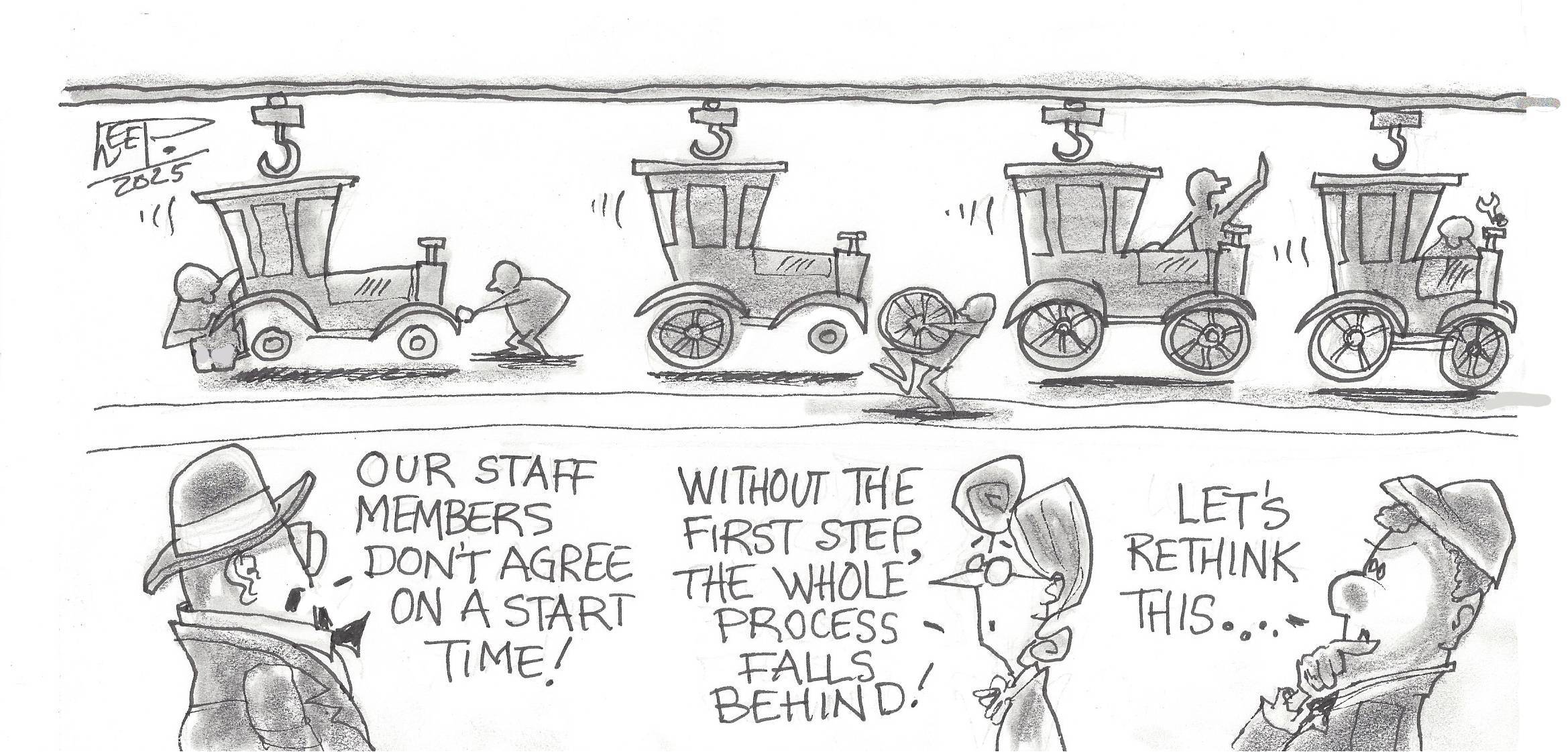
These delays can add up quickly, especially if compounded by a late first case.
Utilization vs. Efficiency
High lab utilization is often seen as a sign of productivity, but that perspective can be misleading. A packed schedule that includes frequent delays or long turnarounds may actually signal inefficiency. And low utilization could be the result of bottlenecks that limit how many cases can be scheduled in the first place.
Key Questions to Ask
- Are we batching cases effectively?
- Are we minimizing idle time between patients?
- Are staffing models aligned to actual volume patterns?
Strategies to Improve Turnaround Time and Utilization
- Prep the Next Case Early: Predictable prep times and pre-op readiness.
- Recovery Planning: Coordinate recovery and transport prior to case completion.
- Monitor Trends: Use real-time data to identify consistent delay sources.
- Cross-Train Teams: More flexibility in roles allows for smoother transitions.
- Visual Dashboards: Track room turnover times and flag delays proactively.
- Define staff roles/responsibilities: It’s about having the right people, doing the right job, at the right time, and everyone knowing their role.
Final Thoughts
Turnaround time isn’t just about what happens between cases – it’s a reflection of the whole system: prep, recovery, staffing, communication and culture. The most successful labs don’t just try to speed up – they optimize the entire workflow.
Want to benchmark your lab or explore operational improvements? Reach out to MedAxiom’s Care Transformation Services team to start a deeper assessment tailored to your needs.
Illustration by: Lee Sauer
Leave a Comment